There is more to rolling papers than one might realize when it comes to getting the most out of a session. Rolling papers are not just thin sheets of paper that you can use to roll something to smoke — they impact how your roll burns, the kind of flavor you experience, and the ease of the activity. With so many different rolling paper options available, it can be difficult to know which to buy. Fortunately, the detailed information in this ultimate guide from Smoke Tokes breaks down the different types of rolling papers, the sizes of papers, and the different materials they can be made from, so you can make a decision that best fits your lifestyle.

Types of Rolling Papers
The types of rolling papers available can get quite detailed, and many have characteristics that impact the burn and use.
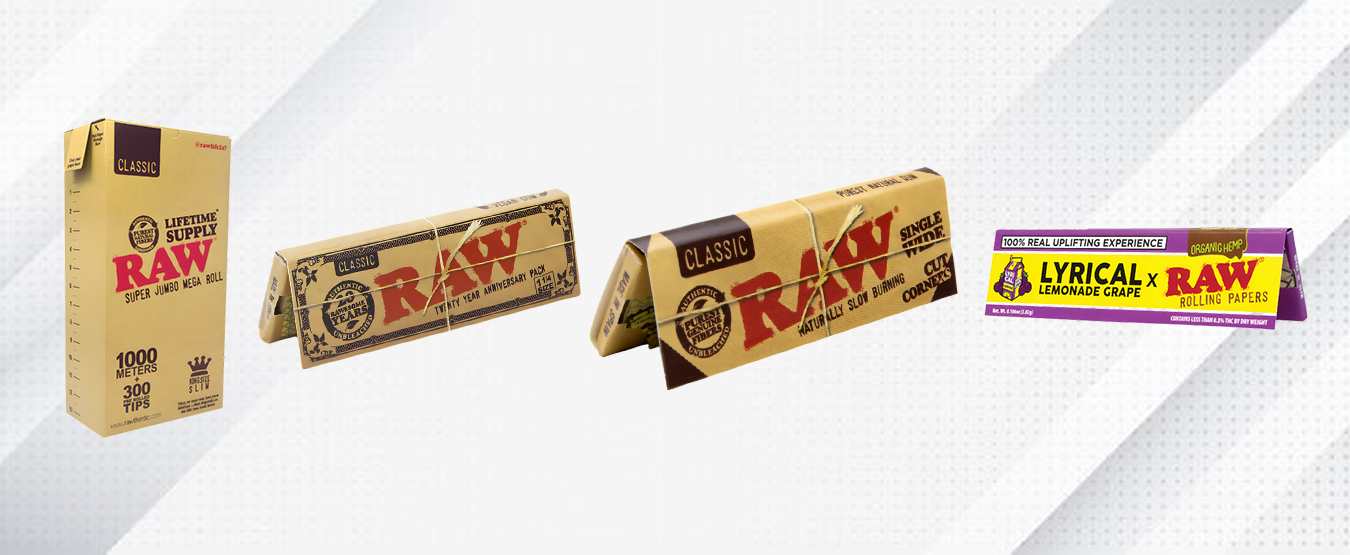
● Classic Papers - The classic papers are the standard, common, and easily accessible rolling papers. They are thin, lower cost, and easy for beginner users
● Pre-Rolled Cones - These are great for convenience. Cones are already loaded and roll uniformly. You can just pack, fill, and enjoy.
● Flavored Papers – Why not add a fun twist to your session with some flavored papers that add sweet or fruity notes to the experience?
● Ultra-Thin Papers - When you need a slower burn, even burn, and less paper taste, use ultra-thin papers.
● King Size & Specialty Papers – Paper made for longer sessions or sharing with friends, these papers give you more room to roll with.
Rolling Paper Sizes
The paper size you choose will make an impact on your experience and ensure it suits your preference.
● Single Wide (68–70mm x 34–36mm) – Very compact and perfect for beginners, single-wides were made for a shorter roll.
● 1 1 /2 Size (78mm x 44mm) - The most popular paper is 1 1 /2 size, which can be rolled to the perfect size.
● 1 ½ Size (78mm x 60mm) – A medium-sized paper for people who like a little more length.
● King Size (100–110mm x 55mm) – Perfectly suited for longer sessions or to share with others.
● King Slim – Same length as king size, but thinner for a more classy finish.
Tip: If you'd like the easiest option, these sizes are widely available in pre-rolled cones, so rolling is simple!
Materials of Rolling Papers
The material of your rolling paper affects its burn speed, flavor, and ecological sensibilities. Some of the most common materials are listed here:
● Hemp Papers - Very slow-burning hemp, natural fibers, and eco-friendly! A very popular option.
● Rice Papers- On average, the thinnest and smoothest burn. Rice papers can be an adjustment for beginners, but they offer a clean-tasting experience.
● Wood Pulp Papers - The classic and easy option, great for a quick smoke.
● Flax Papers - Durable and smooth burn; a luxury alternative!
● Bamboo Papers - Also durable but sustainably sourced, bamboo is gaining popularity for its environmental implications.

Finding your Ideal Rolling Paper
When it comes to rolling paper, we all have preferences. Beginners tend to use wood pulp because it’s a heavier-weight paper, while seasoned users typically use ultra-thin hemp or rice rolling papers to create a slower, cleaner burn. Some users want the convenience of using a pre-rolled cone, which is the best option for convenience.
At Smoke Tokes, you’ll find a variety of rolling papers in all types, sizes, and materials to suit your preference. From eco-friendly hemp rolling papers, flavored rolling papers, or even extra-large king-size rolling papers, we have them all.
Final thought
Rolling papers are not an accessory; it is the basis of your session. Being informed about the types, sizes, and materials means you can customize your experience perfectly. There’s a rolling paper for everyone, hemp papers for the eco-conscious, ultra-thin rice papers for a slow burn, and cone options for maximum convenience.
Are you ready to up your roll? Go explore the complete collection of premium rolling papers now at Smoke Tokes, and choose one that specifically suits your lifestyle.
Share:
Everything You Need to Know About Rolling Papers, Wraps, and Cones
Top Flavored Rolling Wraps That Enhance Your Experience